
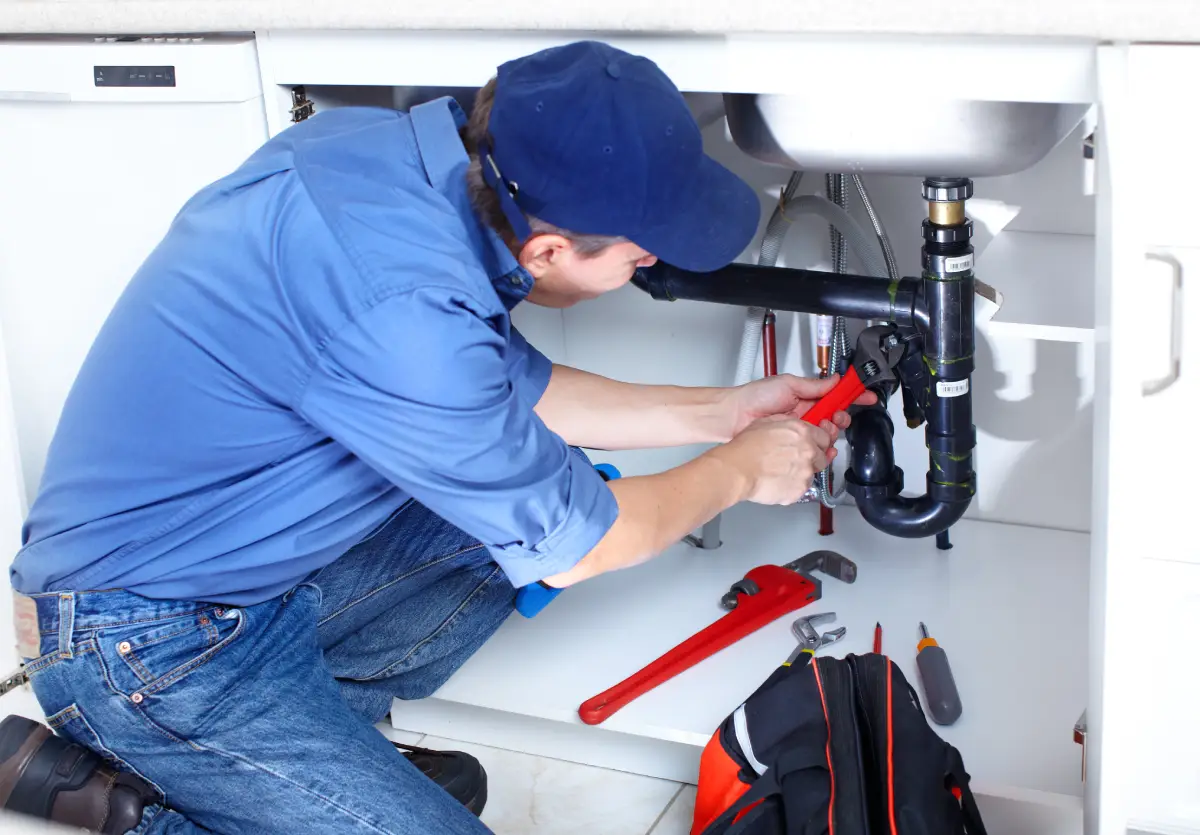
Some repair issues look small until they keep showing up, and a review of your property maintenance habits can reveal when a minor nuisance has turned into a costly pattern. A sink backs up again. A breaker trips in the same room. The air conditioning needs another service call before the season is even over. None of that feels urgent at first, but repeated fixes usually mean the original problem was never fully solved.
For Orlando landlords, that matters. Ongoing repair cycles create extra labor costs, interrupt tenants, and make budgeting harder than it needs to be. They can also hide larger weaknesses inside older systems, deferred upgrades, or rushed repair decisions. Once those patterns become normal, your property starts losing efficiency in ways that are easy to miss from one invoice to the next.
A smarter approach starts with recognizing that repeat maintenance is rarely random. When you step back and connect the dots, it becomes easier to protect your rental, improve day-to-day operations, and avoid spending money on the same issue twice.
Key Takeaways
- Recurring repairs usually point to an unresolved cause instead of a one-time maintenance event.
- Repeated service calls can quietly drain rental income through labor, parts, and scheduling delays.
- Delaying upgrades often leads to more breakdowns, weaker efficiency, and rising operating costs.
- Tenants lose confidence when the same issue returns after it was supposedly fixed.
- Tracking patterns helps Orlando landlords make better repair, replacement, and budgeting decisions.
Why the Same Repair Keeps Coming Back
Repeated repairs usually signal one of three things. The original diagnosis was incomplete, the repair was too temporary, or the system itself is wearing out. In all three cases, the visible problem is only part of the story.
That is why it helps to think beyond the work order. A clogged drain may trace back to pipe scale, poor flow design, or recurring tenant misuse that needs clearer guidance. A failing outlet may point to old wiring, overloaded circuits, or moisture exposure. An HVAC complaint could involve an aging component, restricted airflow, or a system that was never sized correctly.
Orlando properties face special pressure because heat, humidity, and heavy cooling demand can speed up wear. Owners who stay consistent with energy-saving upgrades often reduce stress on major systems while lowering the odds of repeat breakdowns.
Common repeat issues that deserve a closer look
- Plumbing backups that return after simple clearing
- Cooling problems that come back after minor part replacements
- Electrical complaints in the same room or panel area
- Water intrusion around the same window, wall, or ceiling spot
- Appliance trouble that continues after basic servicing
When the same issue appears more than once, it deserves investigation, not another fast patch.
Repeated Quick Fixes Can Quietly Inflate Your Costs
One repair bill may seem manageable. Five bills for the same issue are a different story. Repeat repairs raise expenses through technician time, emergency scheduling, replacement materials, follow-up inspections, and tenant coordination. Those soft costs count, even when they do not appear clearly on a single invoice.
National housing data shows how expensive ownership has become. Median monthly owner costs for homes with a mortgage reached $2,035 in 2024, which adds even more pressure to keep rental expenses controlled. For landlords, repeating the same repair over and over makes that pressure worse.
Owners who use smart landlord budgeting are in a better position to spot when maintenance costs are drifting away from normal operating patterns.
Why do temporary repairs become expensive
A temporary repair often restores function, but it does not always restore reliability. That matters because recurring maintenance tends to create:
- More vendor dispatches
- More tenant disruption
- More chances for emergency escalation
- More uncertainty in the monthly cash flow
At a broader level, U.S. housing repair needs reached $198.4 billion in a single year. That figure reflects how unresolved maintenance problems can multiply across properties and over time.
Delayed Upgrades Usually Make Efficiency Worse
It is tempting to postpone replacements when a repair seems cheaper at the moment. Sometimes that makes sense. Sometimes it only extends a losing cycle.
Aging systems usually become less efficient before they fully fail. They run longer, perform worse, and need more attention. In Orlando, an older HVAC unit may still cool the property, but if it struggles through peak demand, the tenant feels it and the owner pays for it.
That is one reason landlords should keep an eye on insurance-related planning alongside maintenance planning. As costs rise across ownership, avoidable repairs become even harder to absorb.
Signs a replacement may be smarter than another repair
The issue returns within a short time
A repair that fails quickly is often a clue that the core problem remains.
The system is near the end of its useful life
Frequent service on an aging system may cost more than a planned replacement.
Utility costs keep climbing
Lower efficiency often shows up in monthly bills before total failure occurs.
Tenant complaints are increasing
Performance matters just as much as function. A system that technically works may still create poor living conditions.
Tenant Trust Slips When Problems Are Never Truly Solved
Most tenants understand that maintenance issues happen. What frustrates them is repetition. When a repair request gets closed and the same problem returns, confidence starts to drop. Even quick communication cannot fully offset the feeling that the issue was handled halfway.
That decline in trust affects more than mood. It shapes lease renewals, online reviews, and how tenants report future concerns. Some stop reporting minor issues early, which can allow small damage to grow into a larger repair later.
For owners who want clearer numbers around performance, a rental income review can help connect maintenance quality to retention and long-term returns.
Better Tracking Leads to Better Decisions
Repair history is one of the most useful tools a landlord can have, but only if it gets reviewed. Looking at frequency, cost, timing, and location can reveal patterns that are hard to notice from memory alone.
A strong review process should answer a few simple questions. Is the same problem showing up in the same unit? Does it happen seasonally? Has the property had multiple vendors address the same system? Are you spending enough on repeat repairs to justify a larger upgrade?
Owners who stay engaged through their owner account tools can often spot these trends sooner and act before the issue becomes an expensive cycle.
What to track after each repair
Location
Document the exact room, fixture, system, or equipment involved.
Cause
Record whether the issue was wear-related, tenant-related, weather-related, or unknown.
Cost
Include labor, materials, emergency fees, and any return visits.
Outcome
Note whether the repair was a temporary fix, a full correction, or a recommendation for future replacement.
A More Proactive Maintenance Plan Pays Off
The goal is not to eliminate every repair. Rentals need regular upkeep. The goal is to stop spending money on the same unresolved problem. That takes a shift from reaction to prevention.
A proactive plan includes regular inspections, better vendor oversight, clear records, and a willingness to replace problem systems before they fail repeatedly. It also helps to compare repair spending against expected return. Using a return estimate tool can support smarter decisions when you are weighing repair costs against larger property goals.
Practical ways to break the cycle
- Review repeat tickets every quarter
- Flag systems with multiple repairs in one year
- Ask vendors whether the repair is corrective or temporary
- Budget for replacements before an emergency failure happens
- Communicate clearly with tenants about timing and next steps
FAQs about Recurring Repairs and Rental Property Efficiency in Orlando, FL
How many repeat repairs should concern a landlord?
Two or more repairs for the same issue within a short period usually deserve closer review. That pattern can suggest a deeper fault, an incomplete diagnosis, or an aging system that is becoming unreliable and more expensive to maintain.
Are recurring repairs always caused by old equipment?
No. Older equipment is one cause, but repeat issues can also come from poor installation, moisture exposure, overlooked structural problems, or repairs that only addressed symptoms instead of the underlying cause affecting the property.
Can recurring maintenance issues affect lease renewals?
Yes. Tenants may tolerate occasional repairs, but repeated disruptions can weaken confidence in the property and management experience. When comfort and reliability drop, lease renewal conversations often become harder, even if response times were reasonably fast.
What records should landlords keep to spot repair patterns?
Track the issue type, date, location, vendor notes, total cost, and whether the problem returned. Those details make it much easier to identify repeat trouble spots and decide when replacement makes more sense than repair.
Is preventive maintenance worth the cost for smaller portfolios?
Yes. Even a small portfolio benefits from routine inspections and early intervention. Preventive planning helps owners avoid emergency calls, reduce repeat service visits, and keep repair spending more stable throughout the year.
Put an End to Expensive Repair Loops
Repeated repairs are rarely harmless. They point to missed causes, weaker systems, or decisions that solved the immediate inconvenience without protecting the property long term. For Orlando landlords, that can lead to more downtime, higher costs, and tenants who gradually lose confidence in the home they rent.
PMI Property Solutions can help you move past the pattern and focus on lasting results. When recurring issues start affecting your time, budget, or retention, it may be time to bring in a more structured plan. Resolve recurring repairs and let PMI Property Solutions help you protect your rental with a smarter maintenance strategy.